
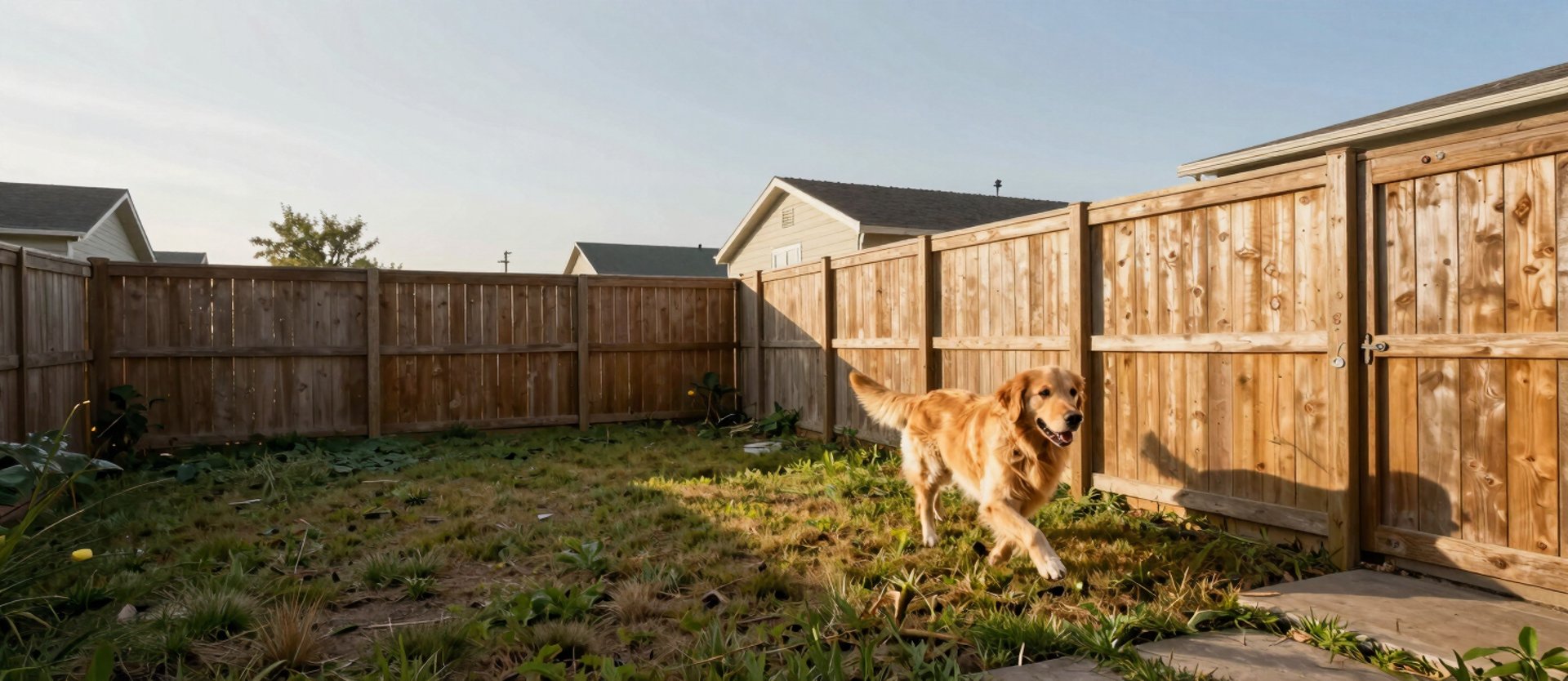
Home Safety, Built Around Your Animal
Most hazards aren't obvious until after the move-in. These checklists come from years in rescue yards and real homes—room by room, yard by yard.
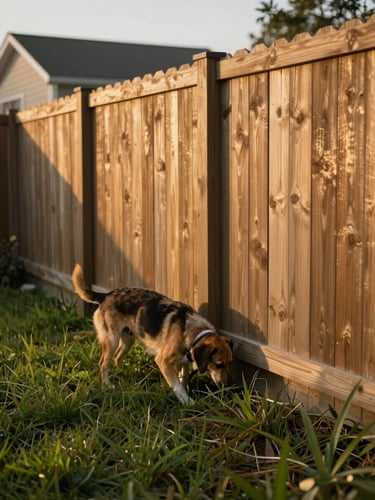
The Risks Most Checklists Miss
Inside the Home: Hidden Hazards
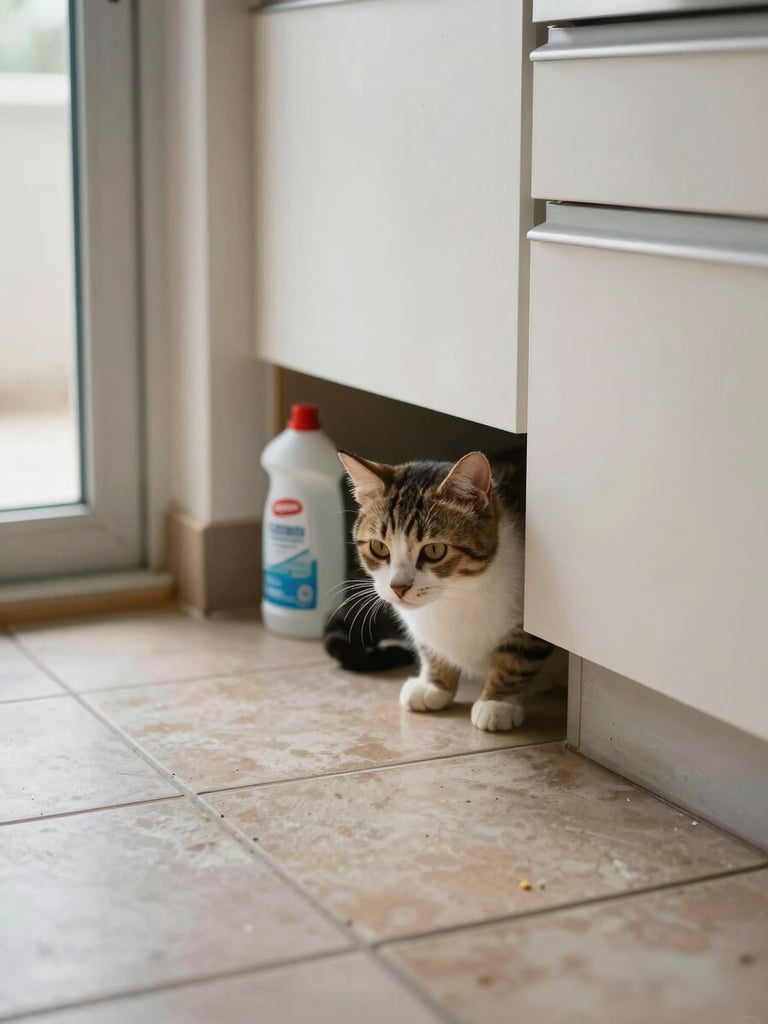
Flooring transitions, cabinet gaps, and common cleaners create real risk—especially in a new or freshly renovated space. We map it room by room.
Renovation phases are the highest-risk window. Paint fumes, adhesives, and open vents need a plan before you bring your animals back in.
Yard and Outdoor Risk Zones
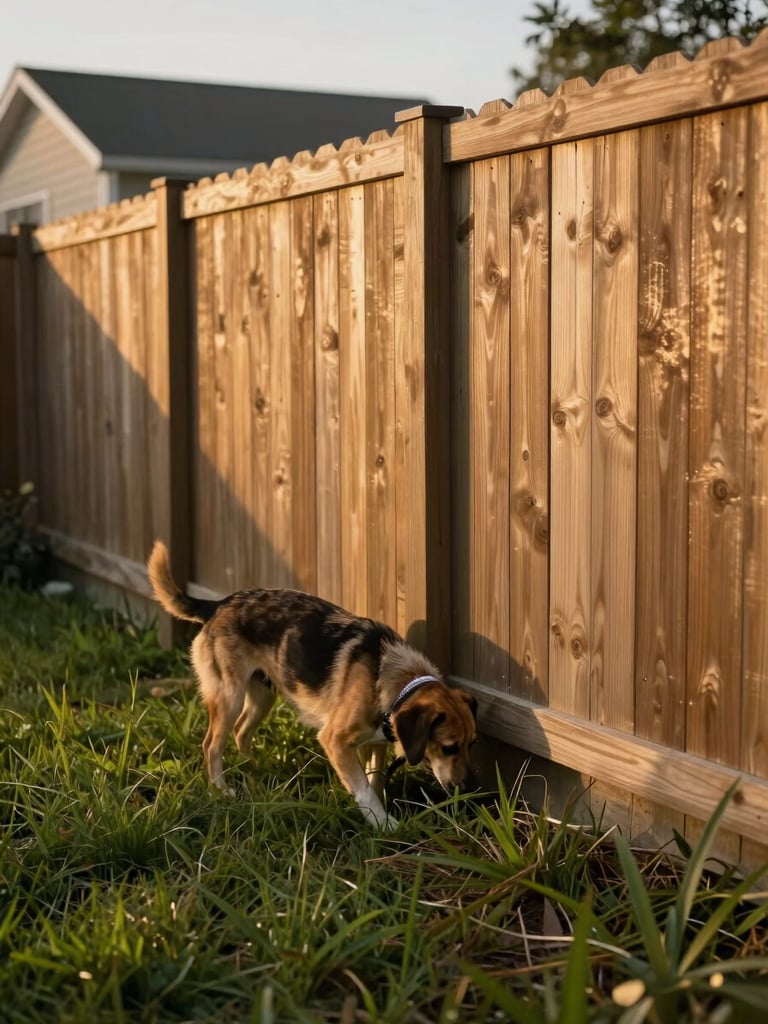
Fence gaps, standing water, and landscaping plants are the yard hazards that send animals to the emergency vet. Most are fixable before move-in.
We flag the 12 most common toxic plants found in standard residential landscaping—and what to replace them with that still looks good.
Get the Room-by-Room Safety Checklist
Built from rescue intake records and real home inspections. Drop your email and we'll send it directly—plus practical updates when new risks come up.